How we think about travel
Most travel services optimize for efficiency. We optimize for depth.
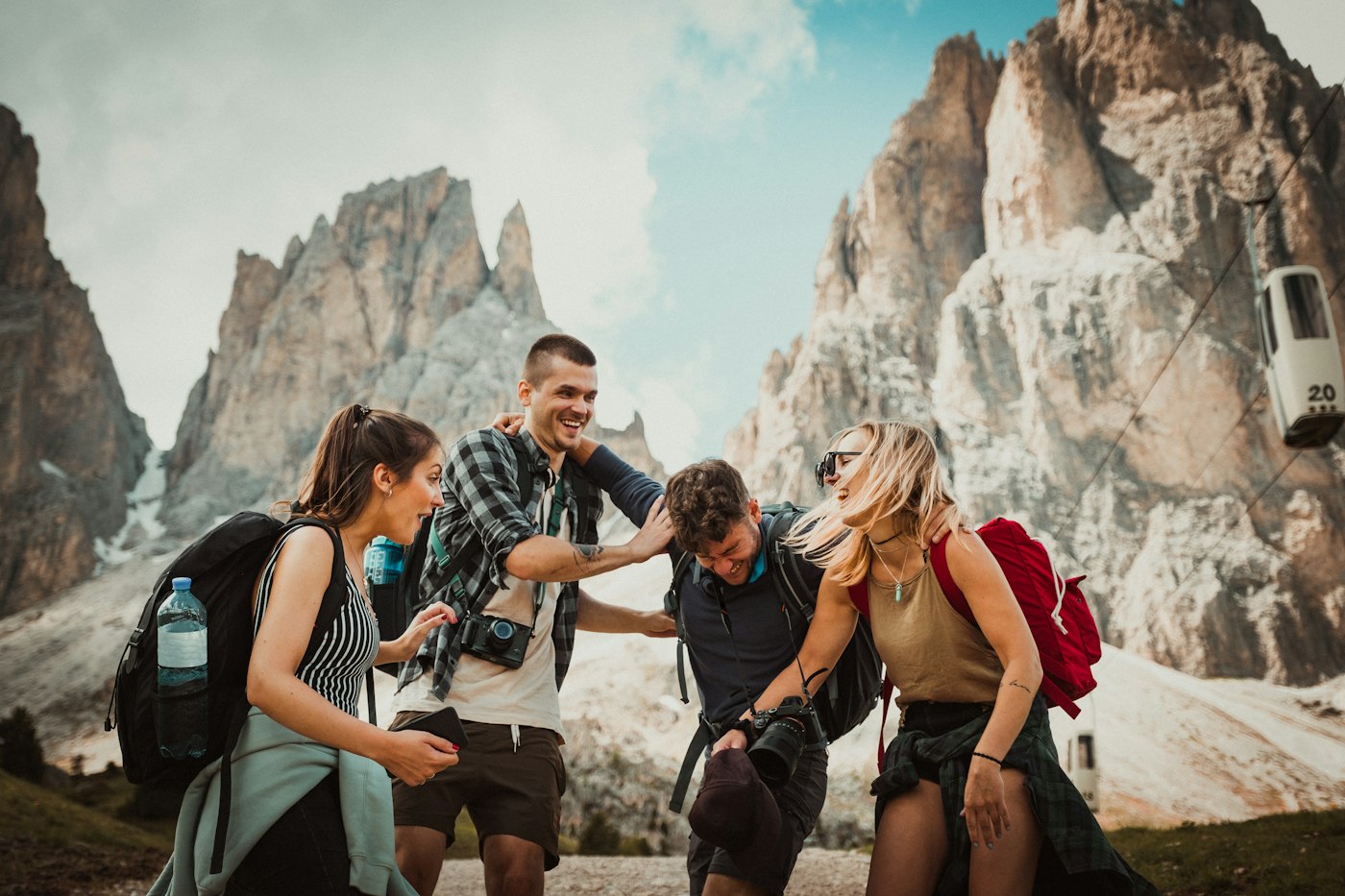
Most travel services optimize for efficiency. We optimize for depth.
We began noticing a pattern among travellers returning from Britain. They'd seen the major sites, taken the required photos, but something felt incomplete. The trips were correct on paper yet hollow in memory.
The problem wasn't the destinations. It was the framing. When you rush through Stonehenge between two other scheduled stops, you miss the way the light shifts across those stones throughout the day. When you visit Bath without understanding Roman hydraulic engineering, the baths become just another old building.
So we started designing differently. Instead of packing maximum locations into minimum time, we asked what would happen if we let places unfold at their own pace. What if we treated travel as a form of learning rather than collecting?
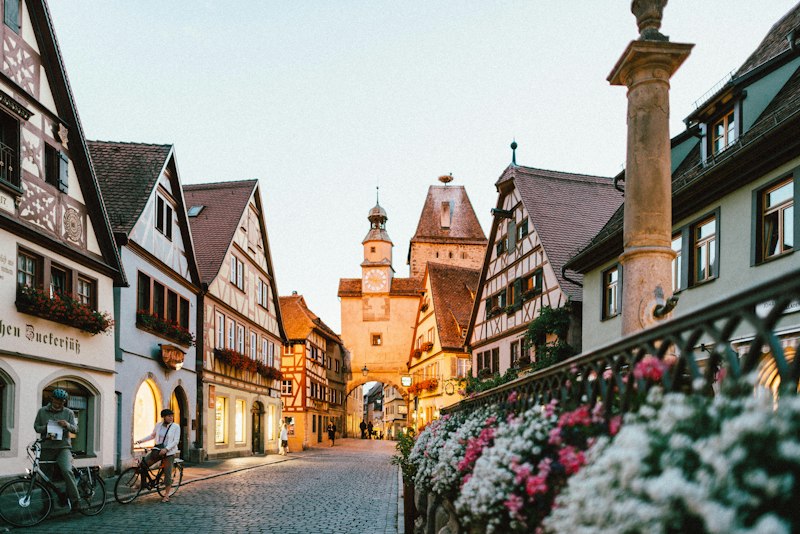
We'd rather you understand three places thoroughly than glance at fifteen superficially. Meaningful travel requires time for absorption.
A medieval cathedral makes more sense when you understand feudal power structures. A fishing village reveals more when you know how herring migrations shaped economies. We provide the context first.
The best experiences come through introductions, not bookings. We maintain relationships with people who actually live and work in the places we recommend.
Some things aren't accessible. Some seasons don't work. Some combinations create exhausting logistics. We tell you what won't work before you invest time planning around it.
Historical Routes Specialist
Spent eight years researching Tudor-era travel networks. Now designs routes that follow the same pathways, updated for modern travellers.
Regional Access Coordinator
Grew up in the Scottish Highlands. Knows which estate roads are passable, which ferries run reliably, and where to find fuel in remote areas.
Cultural Context Director
Background in anthropology and museum curation. Translates historical complexity into narratives that enhance rather than overwhelm travel experiences.
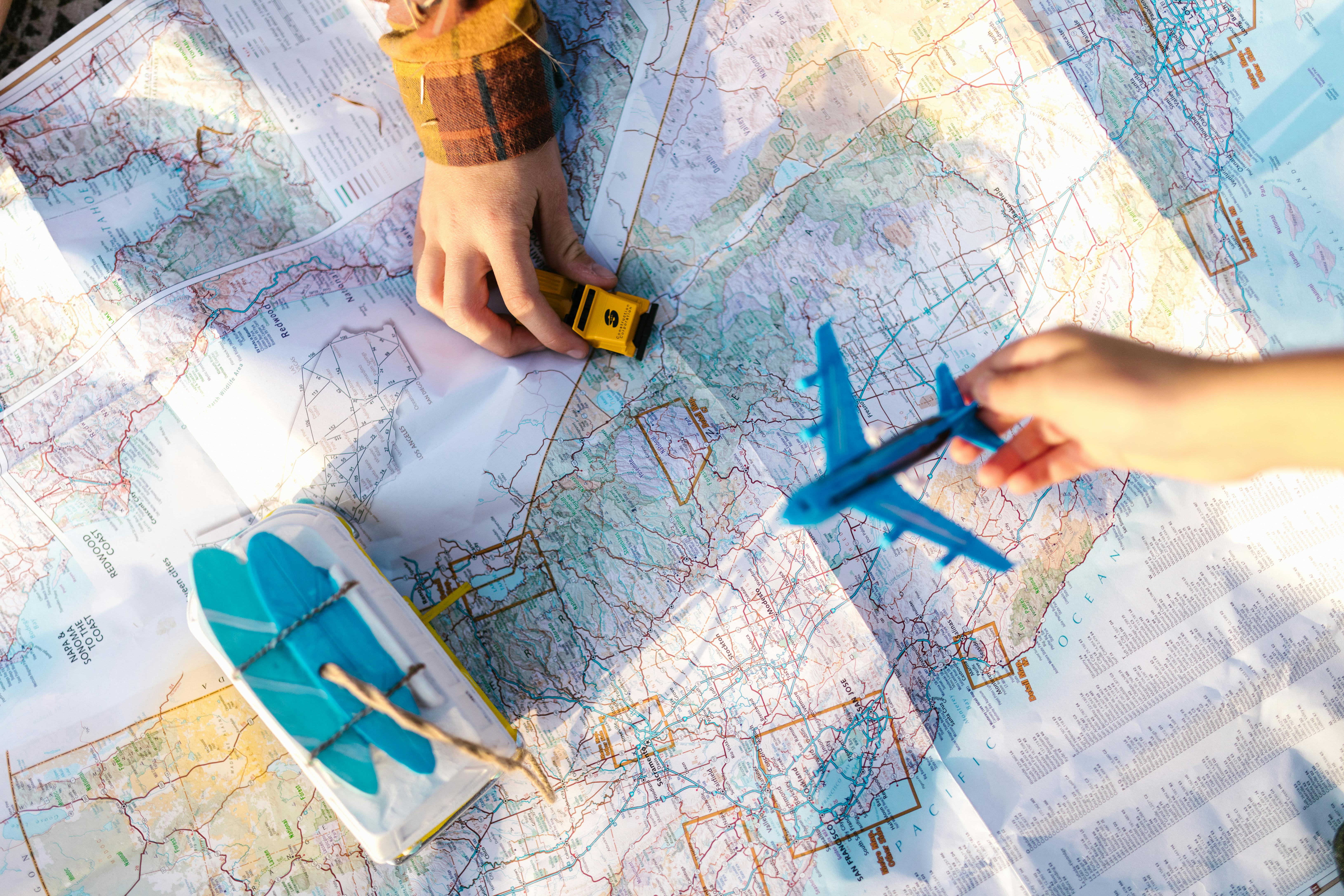
You tell us what genuinely interests you, not what you think you should see. We ask questions about pace, tolerance for uncertainty, and what kind of environments make you feel present.
Then we build a route. Not from templates, but from direct knowledge of how different elements combine. We consider seasonal factors, local event calendars, and the rhythm of different regions.
You receive a detailed itinerary with context for each location, practical logistics, and contact information for key people. We remain available throughout your trip for adjustments, because plans change and that's normal.
We prioritize sustainable travel patterns that benefit local communities. We recommend businesses that maintain traditional skills. We steer people away from overcrowded sites toward equally remarkable but less trampled alternatives.
We don't take commissions from hotels or restaurants. Our recommendations come from direct evaluation, not marketing partnerships. This costs us potential revenue but keeps our advice clean.
We update our information constantly. Routes get verified annually. Key contacts are maintained personally. When something changes, we change our advice immediately rather than waiting for the next publication cycle.
Let's discuss what you're actually looking for in Britain.
Explore services Get in touch